


Dental implants are a popular, long-term solution for replacing one or more missing teeth, but one common question persists: how long will a dental implant last? Understanding the expected longevity of dental implants is essential for anyone considering this treatment, as it helps you make an informed investment in your oral health. At Wellington Family Dental, led by Dr. David J. Pringle, we take time to explain how implants work, what factors affect their lifespan, and how you can protect your results, so you can feel confident about your decision before moving forward.
Understanding Dental Implant Longevity
The lifespan of a dental implant is influenced by several key factors, including your overall health, daily habits, and the quality of dental care you receive over time. In most cases, the titanium implant post that is placed in the jawbone is designed to last a lifetime because it fuses with the bone through a process called osseointegration. However, the visible crown attached to the implant may eventually need to be replaced due to normal wear and tear, typically after 10–15 years. It’s crucial to discuss the expected lifespan of dental implants with your dentist so you can set realistic expectations, understand the care required to maintain them properly, and receive tailored long-term maintenance advice.
Factors Influencing Dental Implant Lifespan
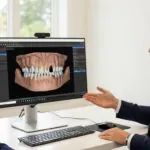
Maintaining excellent oral hygiene is pivotal in prolonging the life of your dental implants. Brushing twice a day with a soft-bristled toothbrush, cleaning around the implant with floss or an interdental brush, and scheduling professional cleanings every six months can help prevent gum disease and other complications that might shorten implant longevity. Lifestyle choices, such as smoking or uncontrolled diabetes, can also affect how well the implant integrates with the bone and how stable it remains over time. The health and density of your jawbone also play a significant role, since a strong, healthy bone provides the solid foundation needed for a sturdy implant. At Wellington Family Dental, we utilize advanced imaging technology to evaluate your bone structure and high-quality implant materials to support long-term durability and success.
The Implant Process at Wellington Family Dental
When considering dental implants, the journey begins with a thorough initial consultation and evaluation at Wellington Family Dental. During this visit, Dr. David J. Pringle will review your medical and dental history, assess your gums and jawbone, and take digital X-rays or 3D images to determine whether you are a good candidate for implants. He will then discuss your goals—such as replacing a single tooth, multiple teeth, or securing a denture—and develop a personalized treatment plan that outlines each step, estimated timelines, and costs. Our commitment to employing advanced technology and proven techniques helps ensure your implants are placed with precision and care, promoting more comfortable procedures, faster healing, and long-lasting results.
What to Expect with Your Dental Implants
After receiving dental implants, maintaining a routine maintenance schedule is crucial to protecting your investment. Regular check-ups allow Dr. Pringle to evaluate the health of your gums, confirm that the implant remains firmly integrated with the jawbone, and make sure the crown or restoration is functioning properly with your bite. Between visits, you should care for your implant much like a natural tooth—brushing, flossing, and avoiding habits such as using your teeth to open packages or chewing on ice. Watch for potential issues such as persistent gum irritation, bleeding, bad breath around the implant, or any sensation that the implant or crown feels loose or shifting, and contact us promptly if you notice these signs so we can address concerns early.
When to Contact Dr. David J. Pringle
If you’re experiencing discomfort, swelling, or changes in how your bite feels around your dental implants, contact our practice for a prompt evaluation. Early attention to minor concerns—such as mild gum inflammation or a chipped crown—can often prevent more serious complications and help protect the long-term stability of your implant. Dr. Pringle is dedicated to providing customized care plans tailored to each patient’s needs, which may include adjustments to your restoration, deep cleanings around the implant, or additional supportive treatments to maintain the health of your gums and bone. Our goal is to partner with you so your implants remain comfortable, functional, and attractive for many years to come.
Your Path to a Healthy Smile with Wellington Family Dental
At Wellington Family Dental, we are committed to guiding you through every step of your dental implant journey—from your first consultation and diagnostic imaging to implant placement, restoration, and long-term follow-up care. Our team takes a patient-centered approach, answering your questions, reviewing your options, and helping you understand how to care for your implants so they can last as long as possible. If you are considering dental implants or have questions about how long a dental implant will last, schedule a consultation today with Dr. David J. Pringle to explore how implants can restore your smile, improve your ability to chew and speak, and enhance your overall oral health and quality of life.