This short guide answers common questions about dental implants and what to expect during treatment. If you’re researching options, this article covers basic parts of an implant, who qualifies, the step-by-step process, modern technology that speeds care, risks, costs, and clear next steps. You’ll also see how advanced care is offered locally with implant i in Wellington, CO.
What Is a Dental Implant?
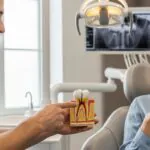
A dental implant replaces a missing tooth by acting like a new root. The implant itself is a small titanium post placed into the jawbone. An abutment connects the post to the visible tooth, and a crown (or bridge) sits on top for chewing and appearance.
Because the implant anchors into bone, it supports a restoration that looks and feels much like a natural tooth. Implants preserve nearby teeth and help keep bone from shrinking after tooth loss.
Who Is a Good Candidate for an Implant?
Good candidates are generally healthy, have healthy gums, and enough jawbone to hold the implant. Dentists check medical history, gum health, and bone with exams and scans to make a plan.
Some people are not immediate candidates—examples include those with uncontrolled diabetes, heavy smoking, or active cancer therapy. Many of these patients can become candidates after medical management or preparatory care such as bone grafting or gum treatment.
Step-by-Step: The Implant Treatment Process
Consultation & Planning
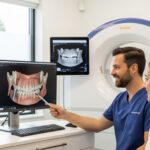
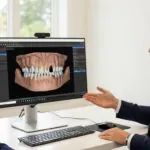
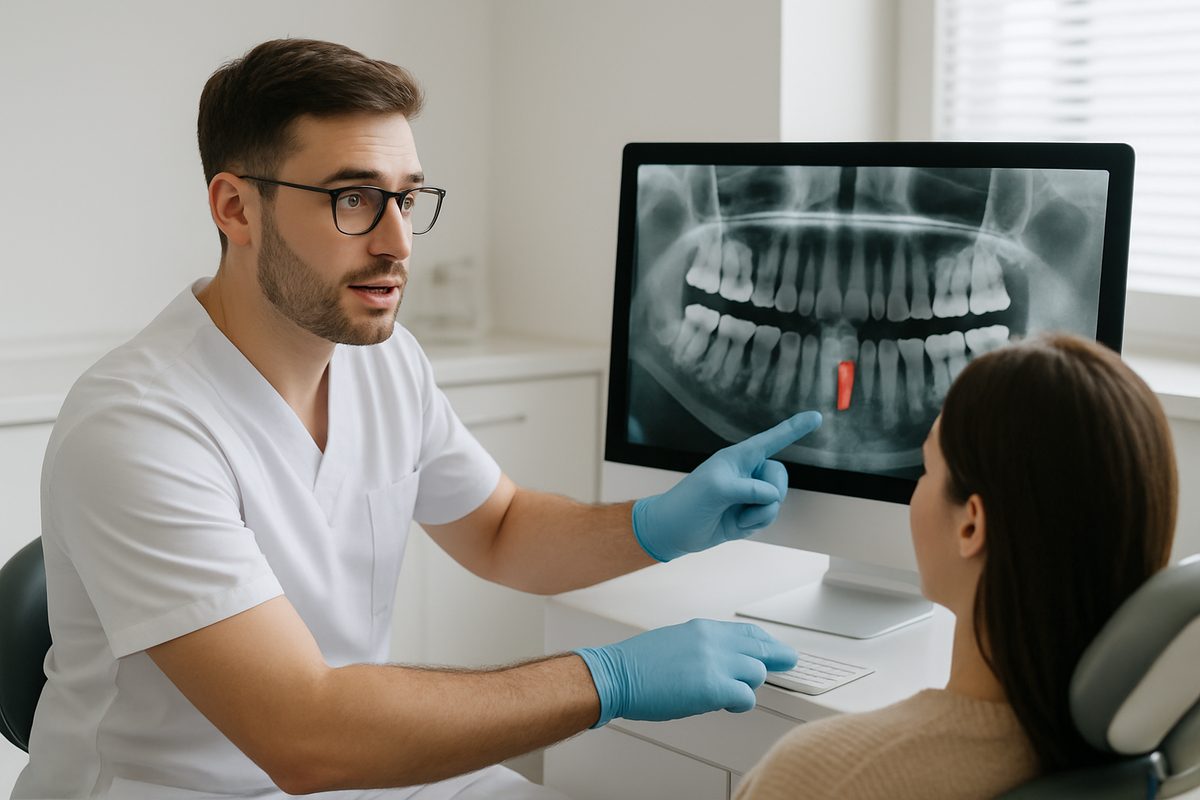
First you meet the dentist for an exam and digital imaging. This creates a personalized plan showing where implants will go and what type of restoration you need. Clear planning reduces surprises and shortens treatment time.
Surgical Placement
During surgery the implant is placed into the jaw. The procedure usually takes under an hour for a single implant and is done with local anesthetic and options for sedation. After surgery you’ll get instructions for short-term care and pain control.
Osseointegration & Healing
Healing is when bone grows around the implant, a process called osseointegration. This can take several weeks to a few months. During healing you may wear a temporary tooth while the implant bonds with bone.
Restoration (Crown or Bridge)
Once healed, the abutment and final crown or bridge are attached. Many practices now offer same-day restorations using in-office milling so you can leave with a finished tooth the same day in some cases.
How Modern Technology Helps — Faster, Safer, More Accurate
Today’s digital tools make implants easier and quicker:
- Digital imaging: 3D scans show exact bone and nerve positions so the dentist can plan safer implant placement.
- CAD/CAM: Digital design and manufacturing give a precise fit for crowns and bridges.
- CEREC same-day restorations: In-office milling can create crowns the same visit, cutting appointments.
- 3D printing: Produces accurate models and guides that speed up lab work and improve fit.
- Photogrammetry (Micron Mapper): Advanced scans capture exact positions of implants to make restorations fit better and faster.
These technologies reduce the number of visits, improve comfort, and help the final tooth look and function better.
Risks, Aftercare, and Long-Term Maintenance
Possible complications include infection, peri-implantitis (gum disease around the implant), or implant failure. Watch for increased pain, swelling, bleeding, pus, or loose restorations and contact your dentist if these occur.
Daily care is simple but essential:
- Brush twice daily and floss or use interdental brushes around implants.
- Avoid hard foods on a new implant until your dentist clears you.
- Keep routine dental checkups and cleanings to catch issues early.
Good oral hygiene and regular professional care are the best ways to extend the life of implants.
Cost, Timeline, and Payment Options
Timelines range from a few weeks (with same-day restorations) to several months when healing or grafting is needed. Costs depend on number of implants, need for bone grafts or extractions, and the type of prosthetic (single crown, bridge, or full-arch).
Many practices offer financing or payment plans to spread costs. Ask your dentist about options and whether third-party plans are available to help fit treatment into your budget.
About Wellington Family Dentistry & Implant Center and Dr. David J. Pringle
Wellington Family Dentistry & Implant Center in Wellington, CO provides implant dentistry and same-day restorations using CEREC, CAD/CAM, 3D printing, and photogrammetry. Dr. David J. Pringle specializes in implant and restorative dentistry and focuses on personalized plans and patient comfort. The team uses a modern digital workflow to deliver durable, natural-looking results.
Next Steps: How to Learn If an Implant Is Right for You
To find out if an implant is right for you, schedule a consultation for a clinical exam and digital imaging. A personalized plan will show timeline, cost, and any prep needed. Financing options like Cherry Payment Plans may be available for eligible patients.
Contact the office to book a consult and get clear, practical next steps for restoring your smile.