


Titanium dental implants are metal posts placed in the jaw to replace missing tooth roots. People who lose teeth from injury, decay, or age often consider them to restore chewing, speech, and appearance. This post answers common questions about safety, who is a good candidate, what the procedure involves, and alternatives like zirconia dental implants.
How titanium dental implants work
Titanium tooth implants rely on osseointegration — the bone grows and fuses to the titanium surface, creating a strong anchor. A dental implant has three basic parts: the fixture (the titanium post in bone), the abutment (connector), and the tooth crown (the visible tooth). Titanium is widely used because it is strong, resists corrosion, and bonds reliably with bone.
Top benefits of titanium tooth implants
Titanium tooth implants offer high durability and excellent long-term success rates. They are biocompatible, so rejection is rare. Functionally, they restore chewing force and speech nearly like natural teeth and help preserve jawbone by stimulating bone growth. A well-made dental implant crown can match nearby teeth for a natural look.
Risks, side effects, and recovery
Short-term side effects include swelling, mild pain, and light bleeding for a few days after surgery. Healing can take weeks to months as osseointegration occurs. Long-term risks include peri-implantitis (gum infection around the dental implant) and, rarely, dental implant failure. Risk rises with poor oral hygiene, smoking, uncontrolled diabetes, or heavy grinding. Call your dentist for severe pain, persistent swelling, pus, or loosening of the dental implant.
Who is a good candidate for titanium tooth implants?
Good candidates have adequate bone density, healthy gums, and overall good health. Conditions like uncontrolled diabetes, certain autoimmune disorders, or heavy smoking may lower success rates. Older age alone is not a barrier if bone and health are sufficient. If bone is thin, bone grafting can often prepare the site for dental implants.
Titanium dental implants vs. other materials (like zirconia)
Titanium is stronger and has the longest track record for success. Zirconia is metal-free and may be chosen for better aesthetics or for patients worried about metal sensitivity. Allergy to titanium is extremely rare. Zirconia has less long-term data and can be more brittle. Patients seeking maximum strength and proven outcomes often choose titanium.
What to expect during the titanium tooth implants process
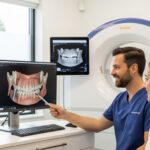
Expect a step-by-step process: consultation with imaging, treatment planning, dental implant placement, healing (osseointegration), and final tooth crown placement. Timelines vary: single dental implants can take 3–6 months from start to finish. Same-day restorations and digital workflows can shorten visits and sometimes provide temporary or final tooth crowns faster.
Questions to ask before choosing titanium tooth implants
Ask about the provider’s dental implant experience and success rates, technologies used, treatment alternatives, estimated costs, financing options, and recovery expectations. Also ask about warranties, follow-up care, and how complications are handled.
Looking for Titanium Dental Implants Near Wellington, CO? Book a Consultation Today
If you’re searching for titanium tooth implants near Wellington, CO, Wellington Family Dentistry & Implant Center offers implant care led by Dr. David J. Pringle. The practice uses CEREC same-day restorations, CAD/CAM, 3D printing, digital imaging, and Micron Mapper photogrammetry. Financing options like Cherry Payment Plans are available to help patients access care. If you’re considering titanium tooth implants, contact us to book a consultation and bring these questions. A thorough exam and clear plan will show whether titanium implants are the right choice for you.