Replacing teeth with implants means surgically placing a small titanium post into the jaw to act like a tooth root, then attaching a replacement tooth on top. It’s a long-term fix that can restore chewing, speech, and the look of your smile. This guide explains what implants are, who is a good candidate, the treatment steps, factors that affect cost and timeline, risks and care, and how Wellington Family Dentistry & Implant Center can help replace teeth with implants in Wellington, CO.
What dental implants are and how they work
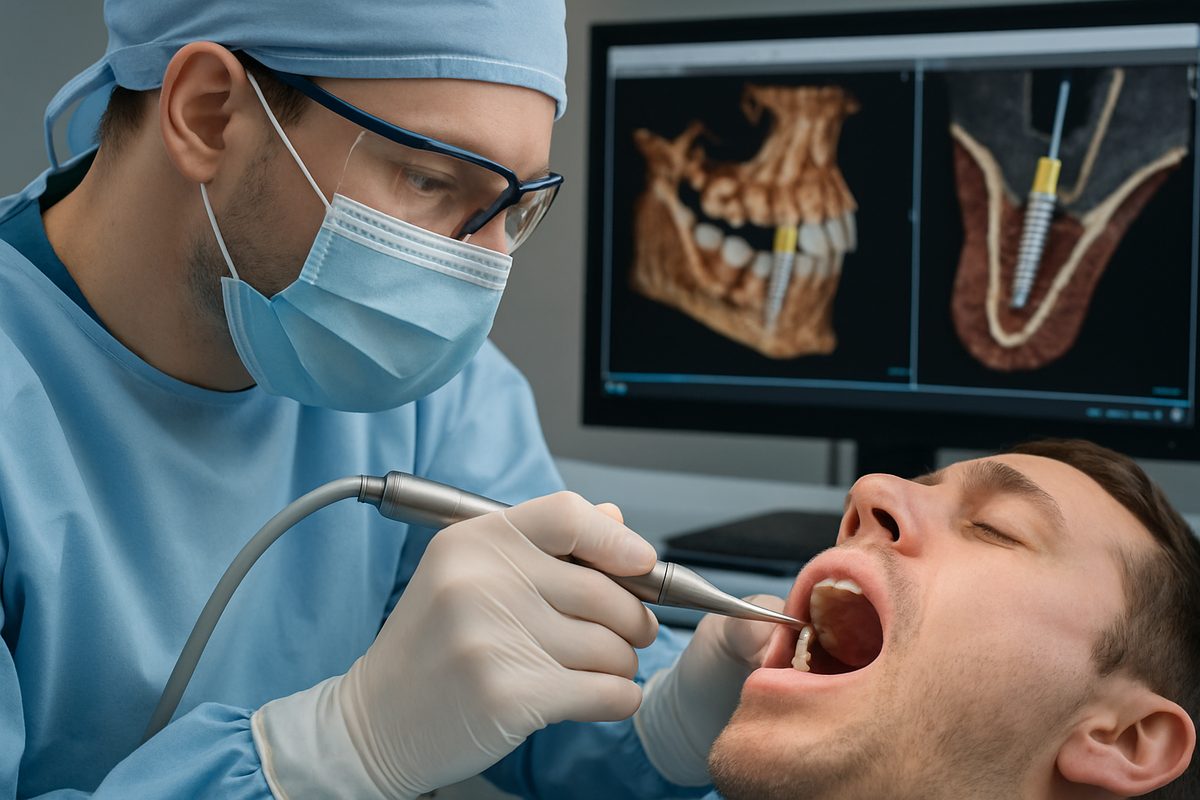
Dental implants have three main parts: the implant body (the metal post), the abutment (the connector), and the crown (the visible tooth). The implant body is placed into the jawbone and fuses with bone in a process called osseointegration. Once healed, the abutment and crown restore chewing and appearance, replacing both the root and the visible tooth.
Benefits of replacing teeth with implants
Implants improve chewing and often help speech by restoring proper tooth alignment. They preserve the jawbone by replacing the lost root and preventing bone shrinkage. Implants are durable — many last decades with good care — and they typically look and feel like natural teeth, giving patients more confidence than removable options.
Who is a good candidate for implants
Good candidates are generally in good overall health with enough jawbone to support an implant. Smoking, uncontrolled diabetes, and certain medical conditions can increase risks. If the bone is thin or missing, bone grafting or a sinus lift may be needed before implants. Clear communication with your dentist helps determine the safest plan for replacing teeth with implants.
Step-by-step overview of the treatment process
Consultation and digital planning
Your dentist will examine your mouth, take X-rays and 3D scans, and create a digital plan. This step ensures proper implant placement and predicts whether grafting or extractions are needed.
Surgery and healing
Implant placement is done under local anesthesia or sedation. After placement, osseointegration usually takes a few months. Temporary teeth can be provided so you aren’t without a smile during healing.
Restoration and follow-up
Once healed, the abutment and final crown, bridge, or denture are attached. Regular checkups monitor healing and implant health. Good home care keeps the implant and surrounding teeth healthy.
What affects cost and timeline
Cost and time depend on how many implants you need, whether extractions or bone grafts are required, and the type of restoration (single crown vs full-arch prosthesis). Same-day technologies can shorten the timeline but may not suit every case. Discuss options for finding the best balance among time, cost, and outcomes.
Risks, recovery, and home care
Common side effects include swelling, mild pain, and bruising for a few days. Watch for signs of infection, persistent pain, or loose implants, and call your dentist if they occur. Long-term care includes brushing, flossing, and regular dental visits to check implant health.
About Wellington Family Dentistry & Implant Center and why patients choose them
Wellington Family Dentistry & Implant Center, led by Dr. David J. Pringle, offers advanced implant care in Wellington, CO. The practice uses CEREC same-day restorations, CAD/CAM, 3D printing, digital imaging, and micron mapper photogrammetry to plan and deliver precise results. Flexible financing, including Cherry Payment Plans, helps patients access implant treatment.
Next steps and call to action
If you’re considering replacing teeth with implants in Wellington, CO, schedule a consultation to review your health, digital scans, and same-day options. Ask about financing and the technologies that can speed treatment. Contact Wellington Family Dentistry & Implant Center to start a personalized plan.